About Bare Seoul
An independent, plain-English guide to Korean skincare — read closely, and judged on what is actually in the bottle.
How we work
We don't run a lab. Our authority comes from research — reading ingredient lists, following the evidence, and checking what a product really costs and whether you can actually get it. We judge a product on what it's for and who it suits, and we give honest verdicts, including the products we'd skip. Ratings are out of five.
Who writes this
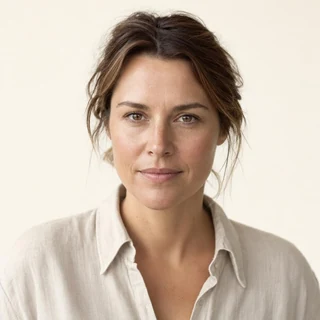
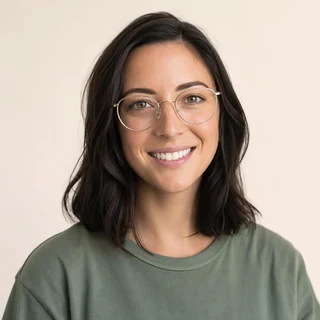
Hannah writes the routine side: cleansing, layering, sunscreen, skin that flares up at everything. Ingredients and the evidence behind them are Claire's. Anything spanning both runs under the Bare Seoul Desk.
We're not dermatologists and there's no lab here. The work is reading — INCI lists, whatever studies exist, and what a thing actually costs.
Where the rules bite
Sunscreen is the clearest example. In the US it is regulated as an over-the-counter drug, and what decides whether a sunscreen can be sold here is a short list of permitted UV filters. Several of the filters that make Korean sunscreens so light and wearable are not on that list, which is why a product with a real SPF number in Seoul can be a different proposition on a US shelf. We explain what that means in plain English and point you to the authorities — the FDA, the American Academy of Dermatology and the Skin Cancer Foundation. We don't make therapeutic or medical claims.
Most of our readers are in the US, but not all of them. Where a rule is specific to one country, we say which country.
How we make money
Some links are affiliate links — as an Amazon Associate we may earn from qualifying purchases, and from other programs too, at no extra cost to you. It never changes a rating. There's more detail on how we rank and review.
A note on advice
Everything here is general information. Skincare is personal, ingredients and prices change, and what suits one person can irritate another. Patch-test new products and check with a pharmacist or doctor if you're unsure.